
.jpg?w=1600&h=1600)
.jpg?w=1500&h=1500)
DIY Fuel Pump Replacement: Step-by-Step Guide
Introduction
A failing fuel pump can cause starting issues, engine stalling, and loss of power. While many drivers go straight to a mechanic, replacing a fuel pump can actually be a manageable DIY job if you’re comfortable with basic car maintenance.
In this guide, we’ll show you how to replace your fuel pump step by step, along with safety tips and tools you’ll need.
Tools and Materials You’ll Need
Before starting, prepare the following:
- Replacement fuel pump (compatible with your vehicle)
- Socket wrench set
- Screwdrivers
- Fuel line disconnect tool (if required)
- Safety gloves and goggles
- Clean cloth or rag
- Container for any spilled fuel
👉 Tip: Always ensure your replacement fuel pump matches your vehicle’s specifications.
Step-by-Step Fuel Pump Replacement
1️⃣ Disconnect the Battery
Safety comes first. Disconnect the negative terminal of your battery to prevent electrical sparks.
2️⃣ Relieve Fuel System Pressure
Locate the fuel system pressure valve or remove the fuel pump fuse and run the engine until it stops. This releases pressure from the system.
3️⃣ Access the Fuel Pump
Most fuel pumps are located inside the fuel tank. Depending on your vehicle, you may need to:
- Remove the rear seat or access panel
- Or drop the fuel tank
4️⃣ Disconnect Fuel Lines and Wiring
Carefully disconnect:
- Fuel lines
- Electrical connectors
Be prepared for a small amount of fuel spillage.
5️⃣ Remove the Old Fuel Pump
Unscrew or unlock the retaining ring holding the pump in place. Gently remove the old fuel pump assembly.
6️⃣ Install the New Fuel Pump
Insert the new fuel pump in the same position as the old one. Ensure:
- Proper alignment
- Secure connections
- Tight sealing to prevent leaks
7️⃣ Reassemble Components
Reconnect fuel lines, wiring, and reinstall the fuel tank or access panel.
8️⃣ Reconnect Battery and Test
Reconnect the battery and turn the ignition to the “ON” position (without starting) to prime the pump. Then start the engine and check for:
- Smooth operation
- No fuel leaks
- Proper pressure
⚠️ Safety Tips
- Work in a well-ventilated area
- Keep sparks and open flames away
- Clean any spilled fuel immediately
- Double-check all connections before starting the engine
When Should You Replace a Fuel Pump?
You may need a replacement if you notice:
- Difficulty starting
- Engine stalling
- Loss of power
- Unusual noises from the fuel tank
🔧 Get the Right Fuel Pump for the Job
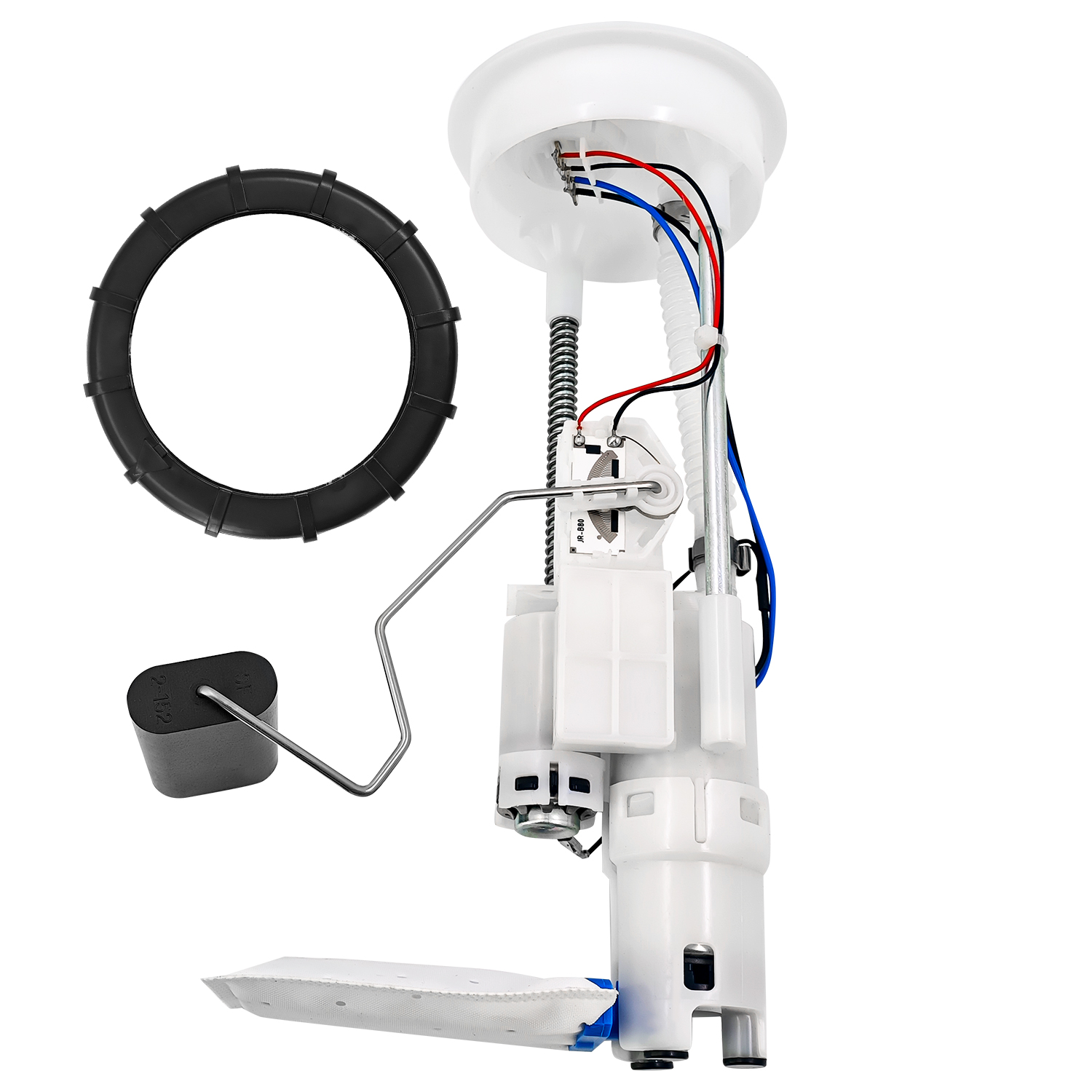
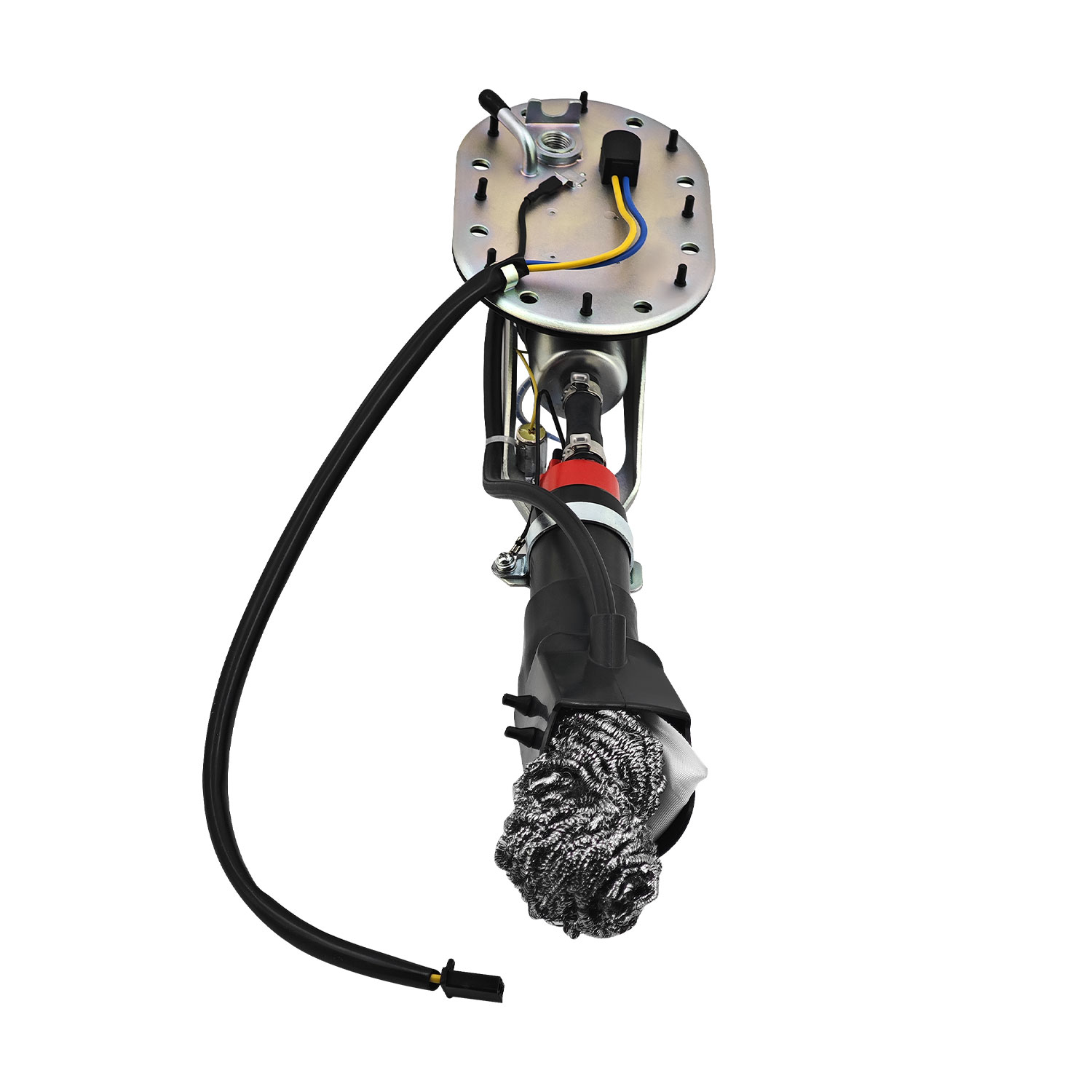
Choosing the right fuel pump is critical for a successful repair. At Fliben Auto, we offer high-quality fuel pumps designed for reliable performance and perfect fitment.
Whether you’re replacing a worn-out pump or upgrading your system, our products help ensure smooth fuel delivery and long-lasting durability.
👉 Shop Fuel Pumps Now and Find the Perfect Fit for Your Vehicle
Conclusion
Replacing your fuel pump yourself can save money and give you confidence in maintaining your vehicle. By following the correct steps and using a high-quality replacement, you can restore your car’s performance and avoid unexpected breakdowns.
If you’re ready to take on the job, make sure you have the right tools—and the right fuel pump.