
.jpg?w=1600&h=1600)

.jpg?w=1500&h=1500)

.jpg?w=1500&h=1500)
Introduction
Every vehicle owner wants a reliable and high-performing car, but over time, wear and tear take their toll. Regularly replacing critical parts is essential to maintaining engine performance, safety, and comfort.
This guide covers important auto parts, their replacement frequencies, and why timely maintenance matters.
Key Auto Parts and Replacement Intervals
Here are some essential components and how often they typically need replacing:
- Oil Filter: Every 3,000–5,000 miles
- Windshield Wipers: Every year
- Air Filter: Every 50,000 miles
- Battery: Every 4 years
- Tires: Every 5 years
Additional Parts to Monitor
Beyond the basic maintenance items, other components can affect your vehicle’s health and performance. Replace them as needed or when showing signs of wear:
- Headlights and Taillights – Ensure visibility and safety
- Spark Plugs – Critical for ignition and engine power
- Belts – Drive or serpentine belts power essential engine accessories
- Alternator – Keeps electrical systems and battery charged
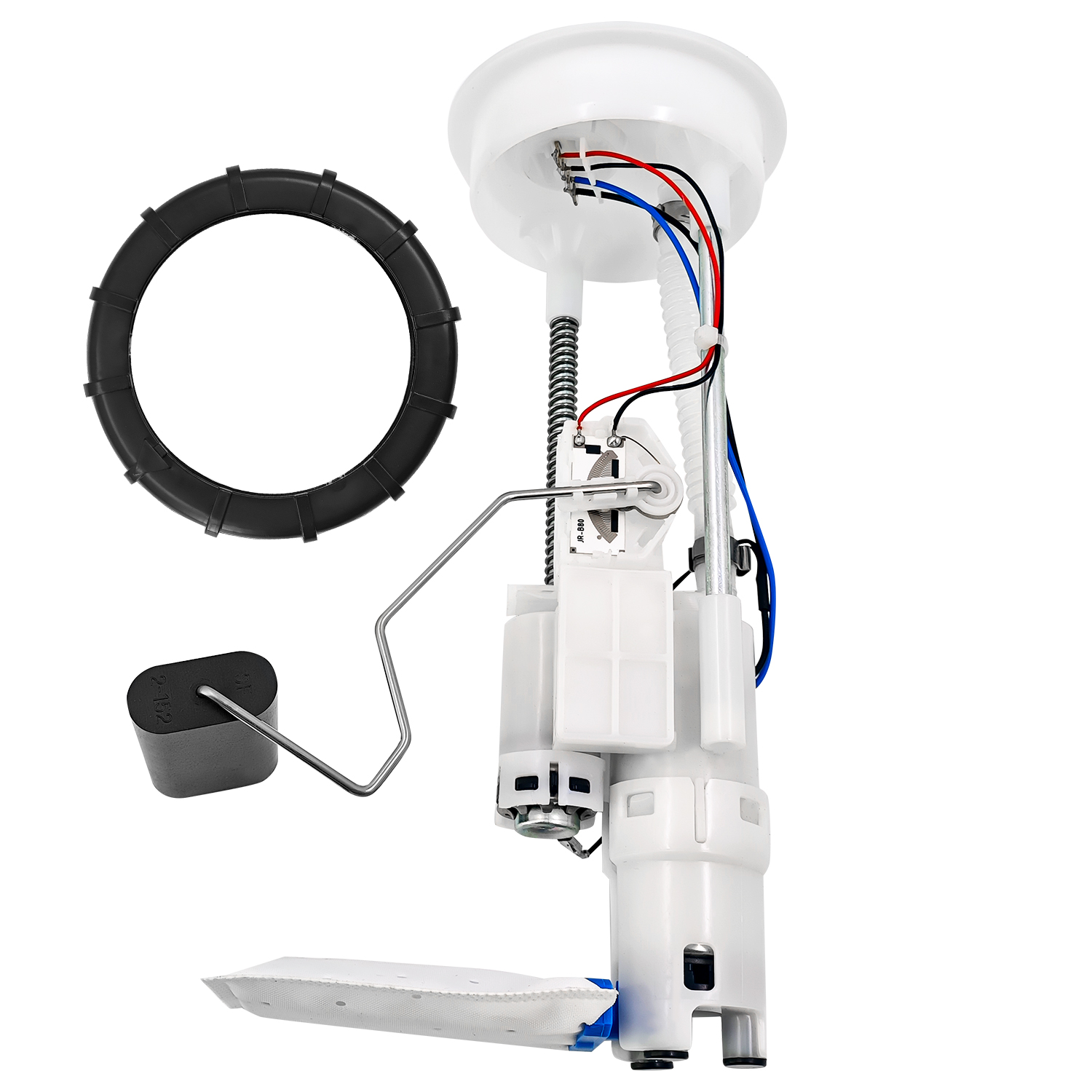
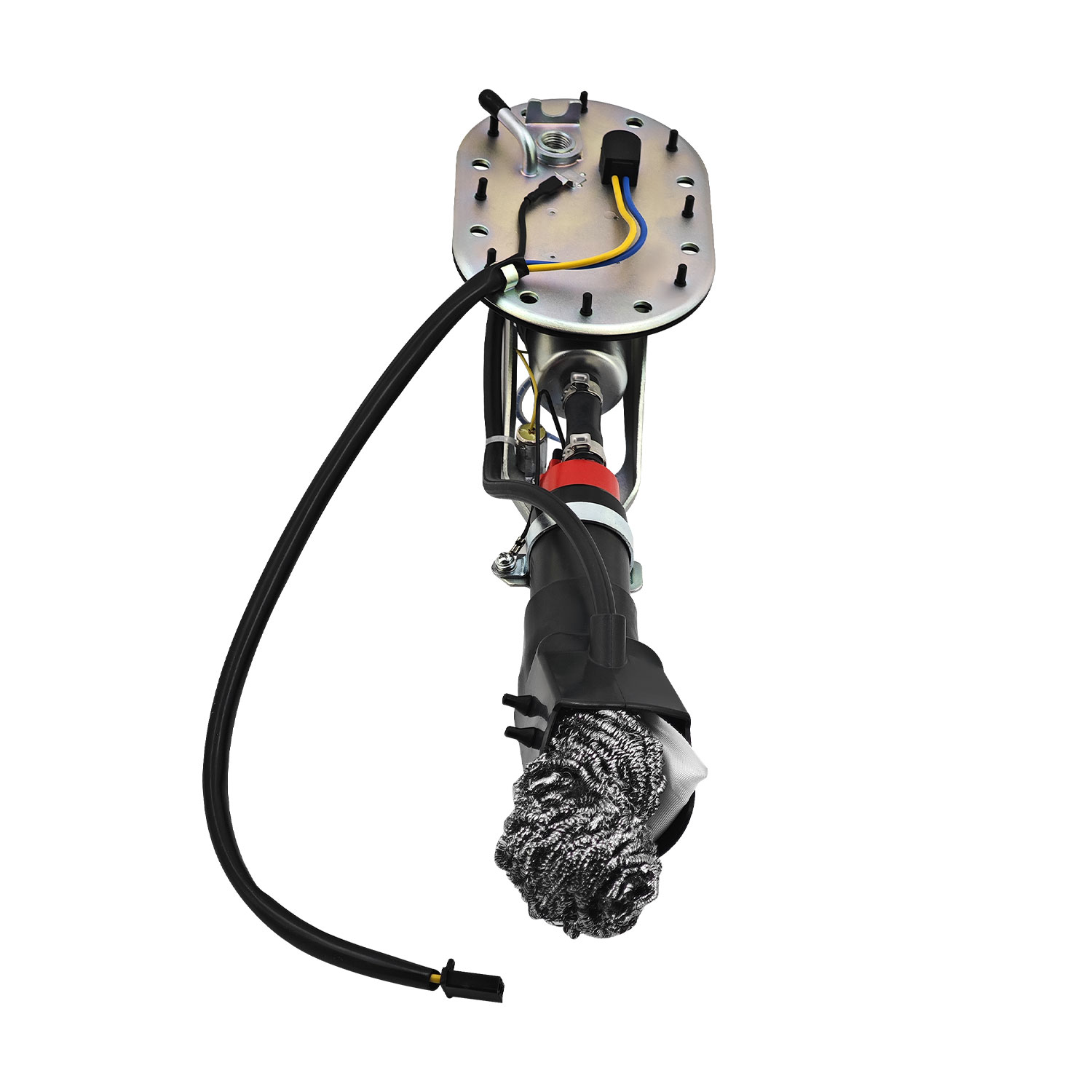
- Pumps – Fuel, water, or oil pumps are essential for smooth operation
- Shocks and Struts – Maintain suspension performance and ride comfort
Always choose OEM components when possible, as they provide superior reliability and help maintain your vehicle’s intended performance.
Why Timely Replacement Matters
Fuel Filter
The fuel filter prevents contaminants like dirt, dust, and rust from entering your engine. A clogged or worn fuel filter can lead to:
- Reduced performance
- Poor fuel economy
- Difficulty starting the engine
- Random stalling
Replacing the fuel filter as recommended keeps your engine running smoothly.
Shocks and Struts
These are vital parts of your suspension system, controlling how your vehicle handles, drives, and responds to the road. Worn shocks and struts can compromise safety and ride comfort, so regular inspection and replacement are crucial.
Spark Plugs
Spark plugs ignite the fuel-air mixture in your engine cylinders. Over time, they wear out, causing:
- Ignition system problems
- Engine starting difficulties
- Reduced engine performance
- Potential damage to spark plug wires
Regular replacement ensures consistent engine power and efficiency.
Conclusion
Maintaining a healthy vehicle requires attention to key components and their replacement schedules. By following manufacturer recommendations, keeping maintenance records, and using high-quality OEM parts, vehicle owners can prevent breakdowns, enhance performance, and extend the life of their car.
Proactive maintenance is the key to safe, efficient, and reliable driving.